.png)
Byblos isn’t just one of the oldest cities on Earth—it’s a living chronicle of human civilization. Every stone and street in this coastal town holds echoes of traders, conquerors and storytellers who passed through over thousands of years. Here’s a breezy but rich overview of Byblos’s long, layered history to add context and color to your visit.
Roots in Prehistory
Archaeological evidence shows that people were living around Byblos as early as 8800–7000 BC. By around 5000 BC, it had grown from a small fishing or farming village into a larger settlement. These early inhabitants took advantage of the sheltered bay and fertile hillsides, laying the groundwork for one of the world’s most enduring cities.
Phoenician Power & Egyptian Ties
By the third millennium BC, Byblos emerged as a major Canaanite trading port. The cedar forests of nearby Mount Lebanon provided timber prized by the pharaohs, and in exchange the city imported papyrus, alabaster and other luxury goods from Egypt. The Greek name “Byblos” itself comes from the word for papyrus, reflecting this close relationship. These exchanges seeded the development of early alphabetic scripts and spread Phoenician influence across the Mediterranean.
Bronze Age Grandeur & Egyptian Affiliation
During the Middle Bronze Age (circa 2000–1600 BC) Byblos continued to flourish under Egyptian patronage. Rulers rebuilt temples and fortifications, and elite tombs were carved into the bedrock of the Royal Necropolis. The famous sarcophagus of King Ahiram—inscribed with one of the earliest known Phoenician texts—was discovered here, underscoring the city’s pivotal role in the story of writing.
Civilization Shifts: Greeks, Romans & Crusaders
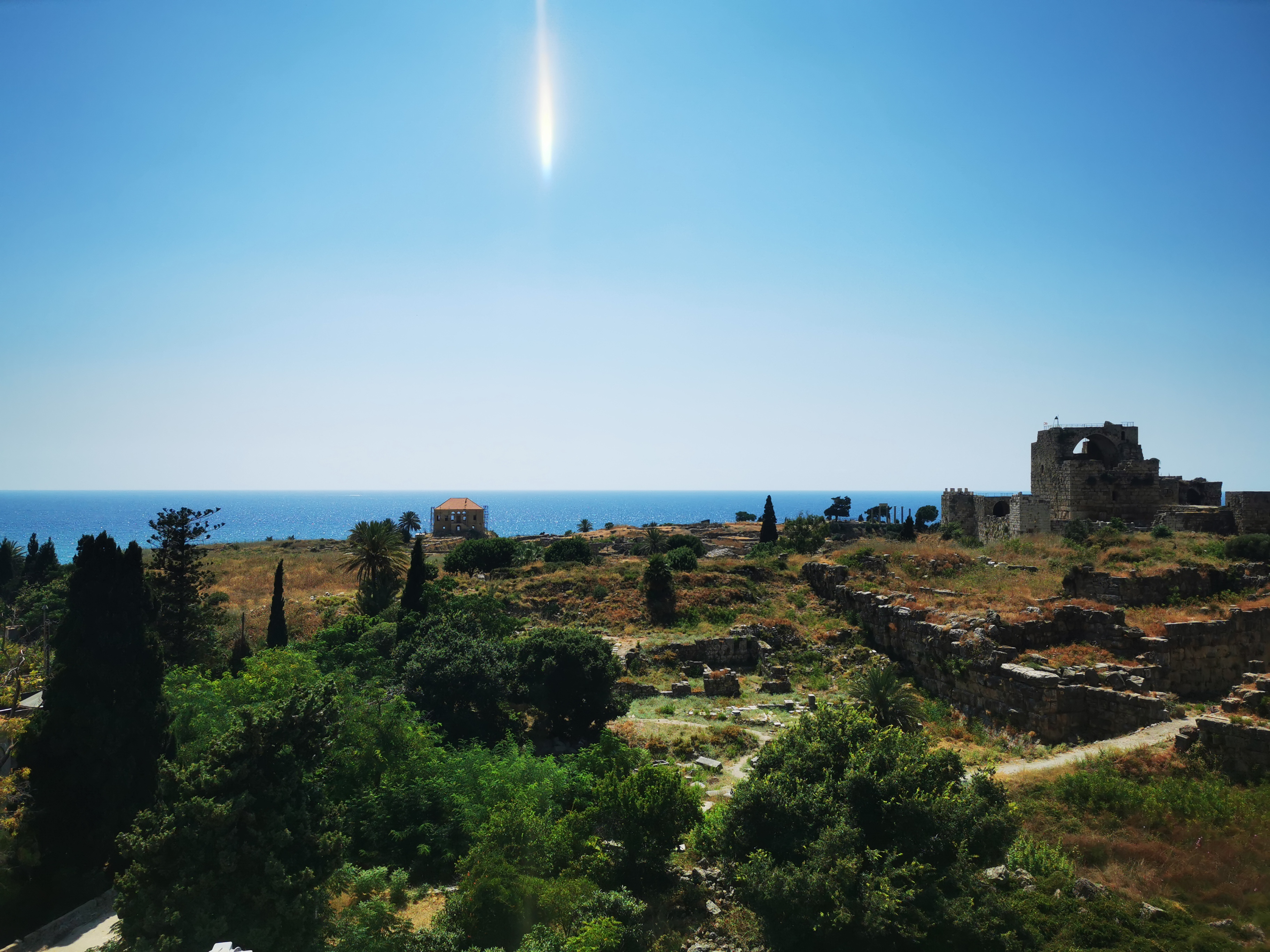
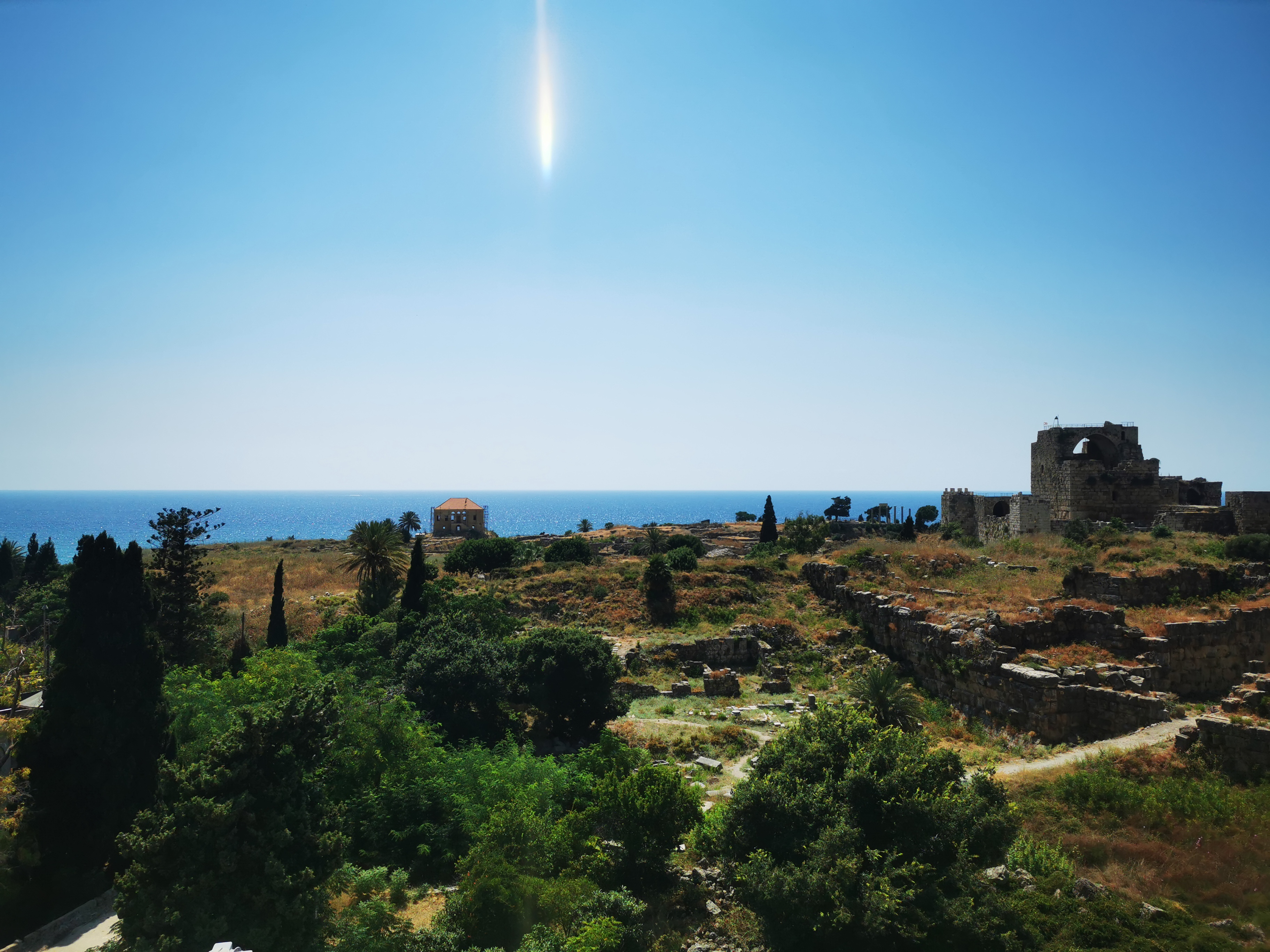
Conquered by Alexander the Great in 333 BC, Byblos entered a Hellenistic phase and later became a prosperous Roman city with roads, theaters and colonnades. Byzantine rule followed, then Arab and Umayyad periods. In the 12th century the Crusaders seized the city, building the castle and fortifying the harbor. The Mamluks and Ottomans later controlled Byblos, leaving their own architectural and cultural marks.
A Tapestry Through Time
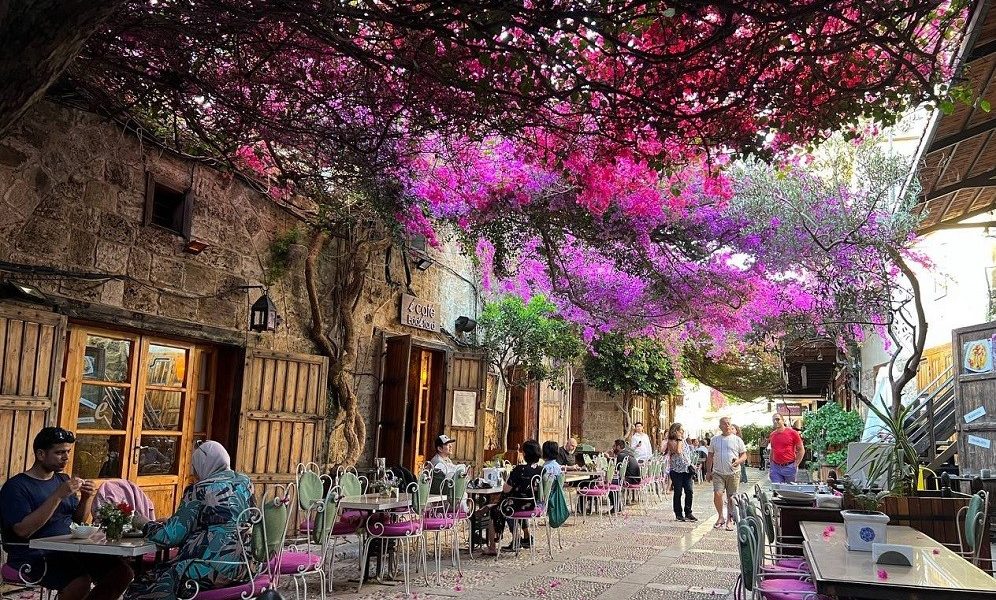
What makes Byblos unique is how each era built upon the last. You can walk from Neolithic ruins through Phoenician temples, past a Roman theater and Crusader fort, to Ottoman houses and modern Lebanese cafés—all within a few blocks. In recognition of this uninterrupted layering, UNESCO designated Byblos a World Heritage Site.
Timeline Highlights
• Neolithic & Chalcolithic: earliest fisherfolk and farmers settle on the coast.
• Bronze Age (Phoenician): trade with Egypt; cedar export; invention of alphabetic writing.
• Hellenistic & Roman: Greek rule, then roads, theaters and colonnades under Rome.
• Medieval & Crusader: castle construction, cathedral building, shifting control between Crusaders and Mamluks.
• Ottoman & Modern: integration into the Ottoman Empire, then emergence of modern Lebanon.
Base Yourself at Aleph Boutique Hotel
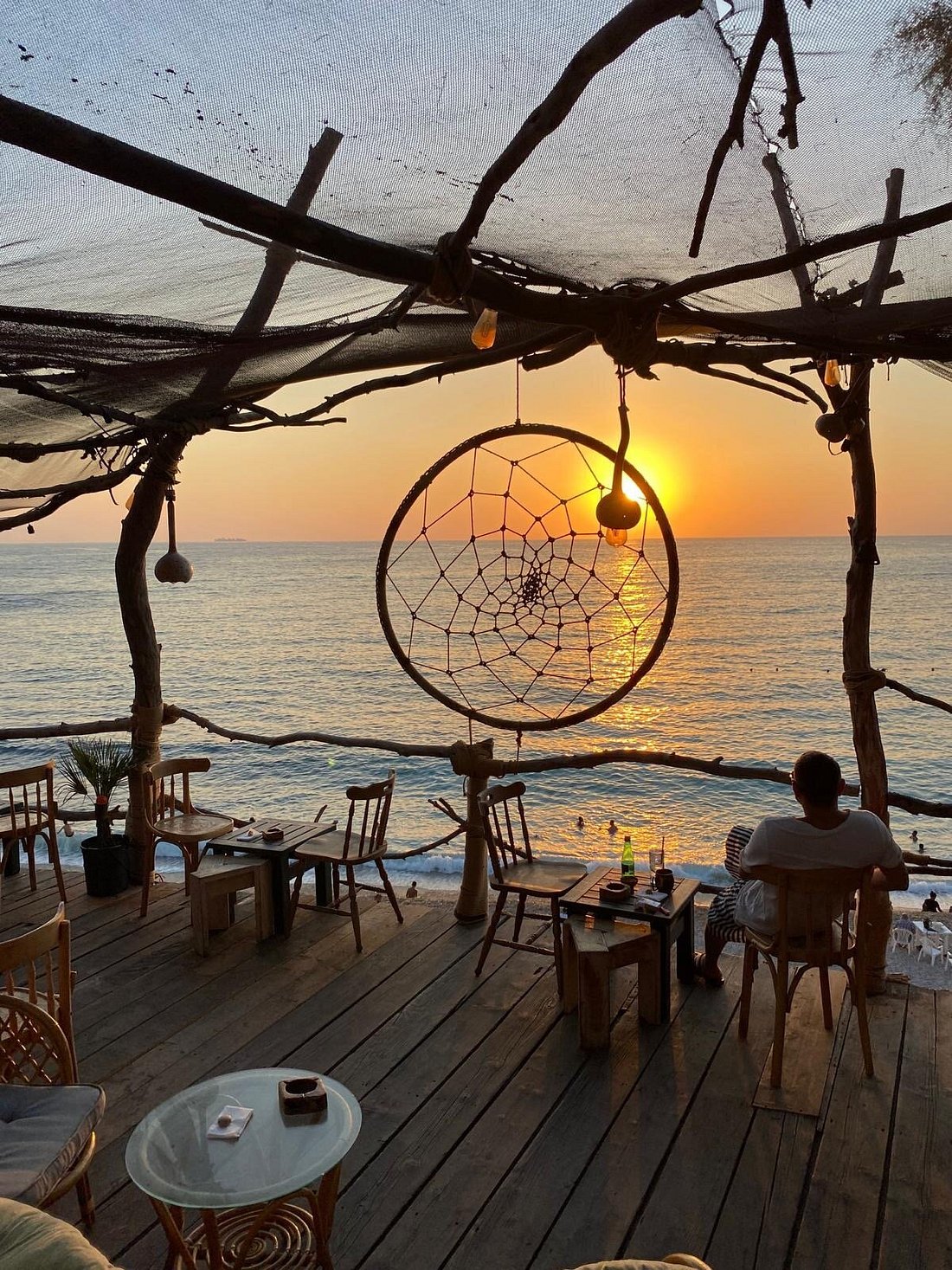
Exploring Byblos’s history is much easier when you’re staying in the heart of the old town. Aleph Boutique Hotel sits steps from the castle and archaeological site, so you can start your day with breakfast in our café and then walk through millennia in just a few minutes. Our team loves sharing stories about the city’s past and can help arrange guided tours or day trips to other historic Lebanese gems. After a day of time travel, unwind on our terrace and imagine all the generations who have gazed at the same Mediterranean horizon.